July 25, 2026
What Coziness Is Made Of: the Anatomy of "I Want to Go Home"
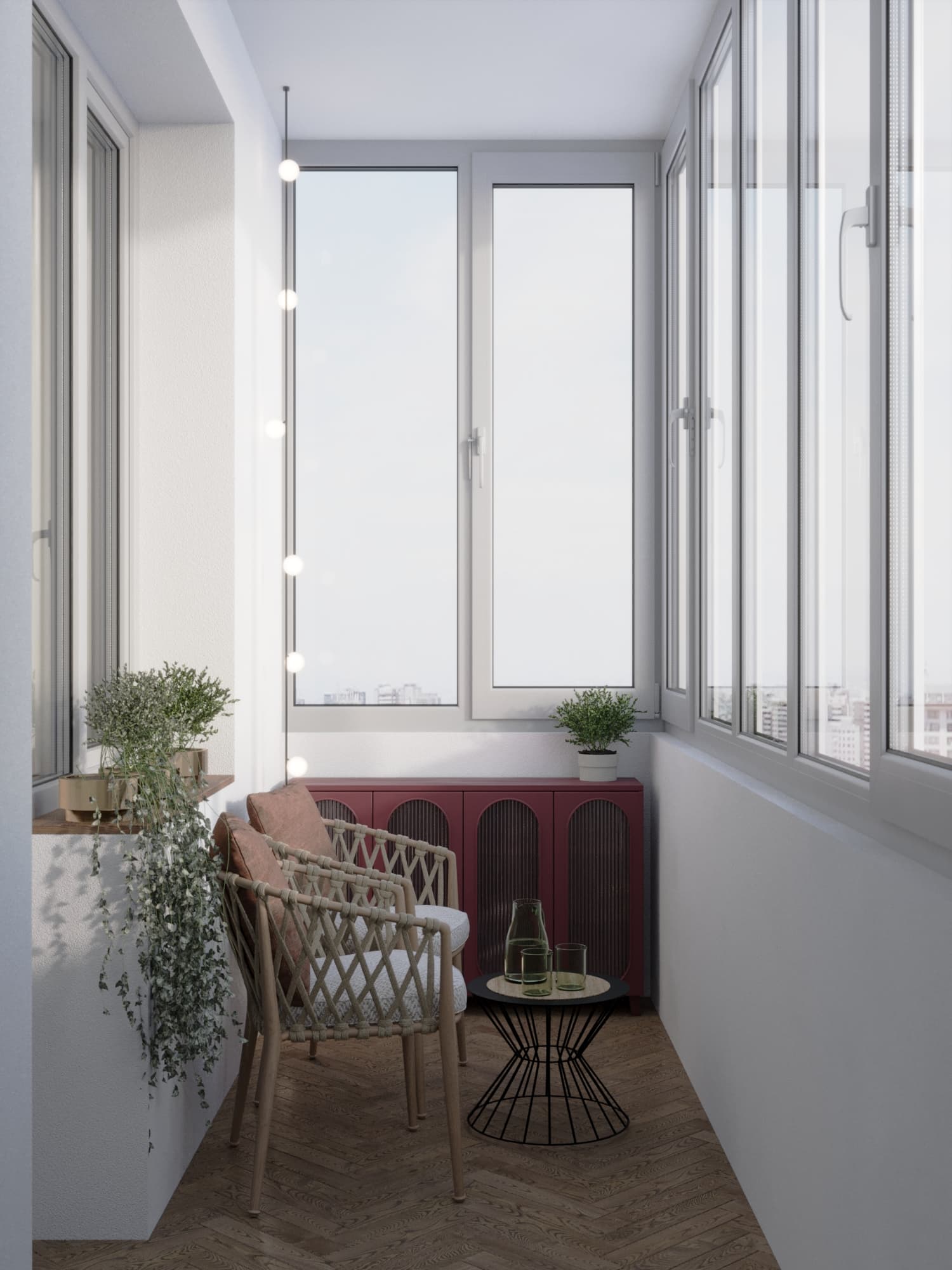
"Make it cozy" is the most frequent request in our briefs. And coziness really can be designed: behind the feeling of "I want to go home" stand concrete, almost measurable things. It is neither budget nor style: cozy exists in minimalism and in classics, in a small studio and a large house. Coziness is not about the number of objects but about how light, textures, sound and order work.
Below are six components: light, textiles, materials, personal objects, smell and sound. At the end you will find a checklist for a cozy room and a list of mistakes that leave a beautiful apartment feeling like a catalog. If you want to understand which interior suits you, take the style quiz on our site.
What coziness means from a design standpoint
Coziness is a feeling of safety, warmth and belonging. A designer cannot create it with one object but can create conditions: soft light, pleasant surfaces, clear places to rest, quiet and order. The Danes describe a similar feeling with the word hygge: a warm atmosphere, soft light, candles, textiles, natural materials and the presence of people close by. It is not necessarily Scandinavian style; it is a set of techniques that work in any culture.
An important point: coziness is not clutter. A room where everything has its place and there is room for air can be cozier than one packed with cute trinkets. Coziness is built in layers, and layers need structure.
Light is half of coziness
Warm light is the main thing. For a living room and bedroom people usually choose warm white around 2700K, sometimes up to 3000K, and for table lamps, floor lamps and sconces even warmer is acceptable. In the evening the brain reads low warm light as safety by a campfire, and cold overhead light as an office.
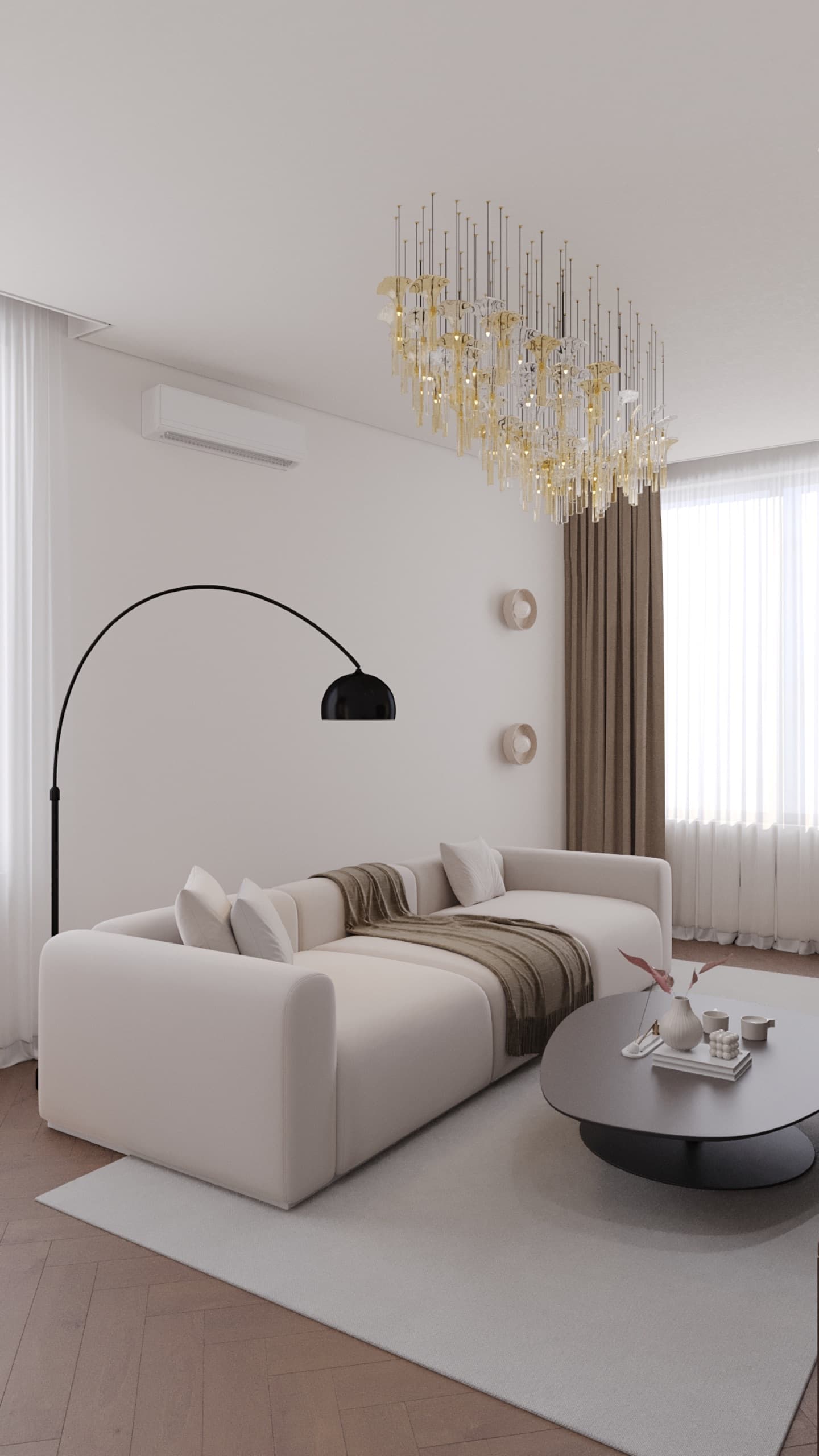
The principle of layers works. First layer: soft general light (hidden lighting, ceiling lights on a dimmer). Second: functional light for reading and work (a floor lamp by the chair, a table lamp, bedside sconces). Third: accent light (niches, pictures, shelves). In a cozy room several low sources burn in the evening, not one chandelier under the ceiling. It is best when the main sources are controlled separately and there are dimmers.
Keep sources in one color temperature: a mix of warm and cold lamps in one room looks accidental. Choose lamps with good color rendering (CRI around 90 and above): fabrics, wood and leather should look natural. Sockets for floor and table lamps must be planned at the electrical stage, so coziness starts with the lighting plan and control scheme.
Textiles in layers
Textiles add softness and warmth. A rug, throws, cushions of different textures, floor-length curtains: soft surfaces damp echo, and the room embraces you acoustically too. In an empty room with bare walls and tile, sound reflects and the room feels cold even if it is warm in color.
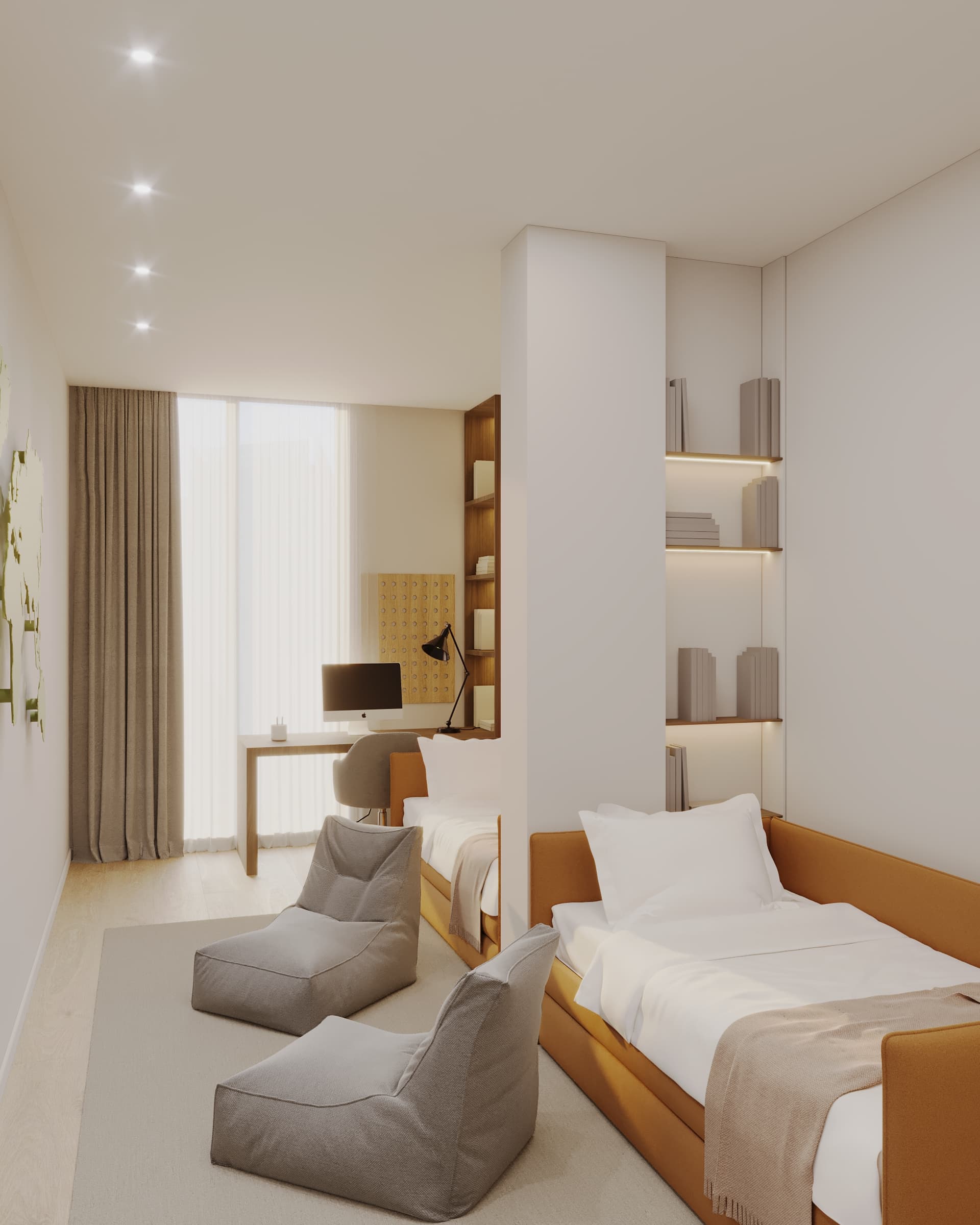
Build textiles in layers. On the sofa: a throw, two or three cushions of different sizes and textures (linen, wool, velvet). In the bedroom: good bed linen, a bedspread, a throw at the foot. At the window: a sheer or light curtain plus a dense one, preferably floor-length. On the floor: a rug large enough that the front legs of the sofa and chairs stand on it.
Limit the palette: two or three main colors plus an accent. Then different textures do not turn into variegation. Textures can be combined boldly, linen with wool, velvet with cotton, but keep the colors close.
Natural materials
Wood, linen, wool, ceramics, stone and leather age beautifully and feel pleasant to the touch. Gloss and plastic resist coziness: they show fingerprints, feel cold and lack depth. That does not mean glossy surfaces are banned, but in rooms for rest it helps when natural and tactile materials dominate.
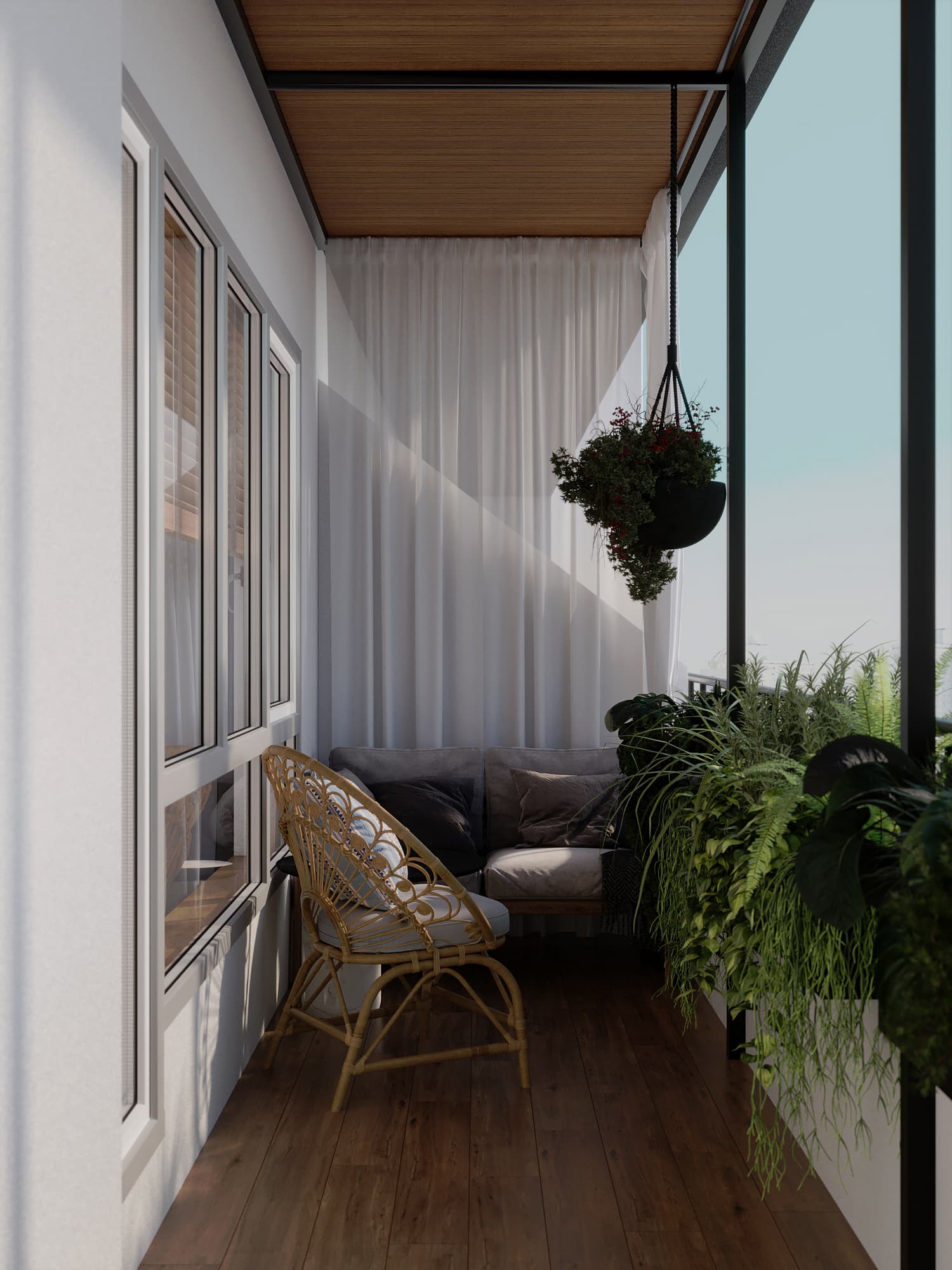
Plants also count as living materials. One large plant in the right place enlivens an interior and softens corners; we covered choosing species in our article on plants in the interior. If plants do not suit you (allergy, pets, little light), add living texture through wood, rattan and ceramics.
Do not overload a room with textures. Three or four different materials repeated in different places are enough: that creates rhythm, not chaos.
Personal objects: what separates a home from a hotel
Books you have read, photographs, ceramics brought from trips, children's drawings, paintings: all of it makes the interior yours. Without personal objects even a flawless interior stays hotel-like. But here you need measure and composition: group objects, leave air, do not put one item on every surface.
Practical techniques. Group three to five objects on a shelf or console, varying height and form. Leave an empty surface next to the group. Hang pictures and photographs as a cluster, not one by one at random. Put personal items on display rather than hiding them in closed cabinets, and conversely hide daily chaos (wires, chargers, household chemicals). Read more about composition in our decor guide.
Smell
A home is recognized by its smell: coffee, baking, fresh linen, one good candle. Smell forms the feeling of coziness very quickly. Staleness kills coziness faster than mess, so ventilation is also about coziness. If the air in the apartment stagnates, no candles will help: first airing, extraction, cleanliness, then fragrance.
Do not overdo fragrances. Sharp air-freshener smells tire and can irritate. One subtle scent and regular airing are enough. If there are people with allergies or small children at home, choose gentle options and test the reaction first.
Sound
Quiet from neighbors, softly closing doors, no humming lamps or appliances: this is coziness too. We often do not notice sound until it irritates. A slamming door, clattering dishes in an empty kitchen, a fridge hum, a rattling chandelier create a constant background of tension.
What you can do. Install door closers and soft dampers on kitchen fronts. Use soft surfaces: rugs, curtains, upholstered furniture, books on shelves. Choose quiet appliances and LED lamps compatible with dimmers so they do not hum. Think through the bedroom position relative to noisy walls; there is more in our article on soundproofing. Soft background music or the sound of water will not replace quiet but can help you relax.
Order and places to live
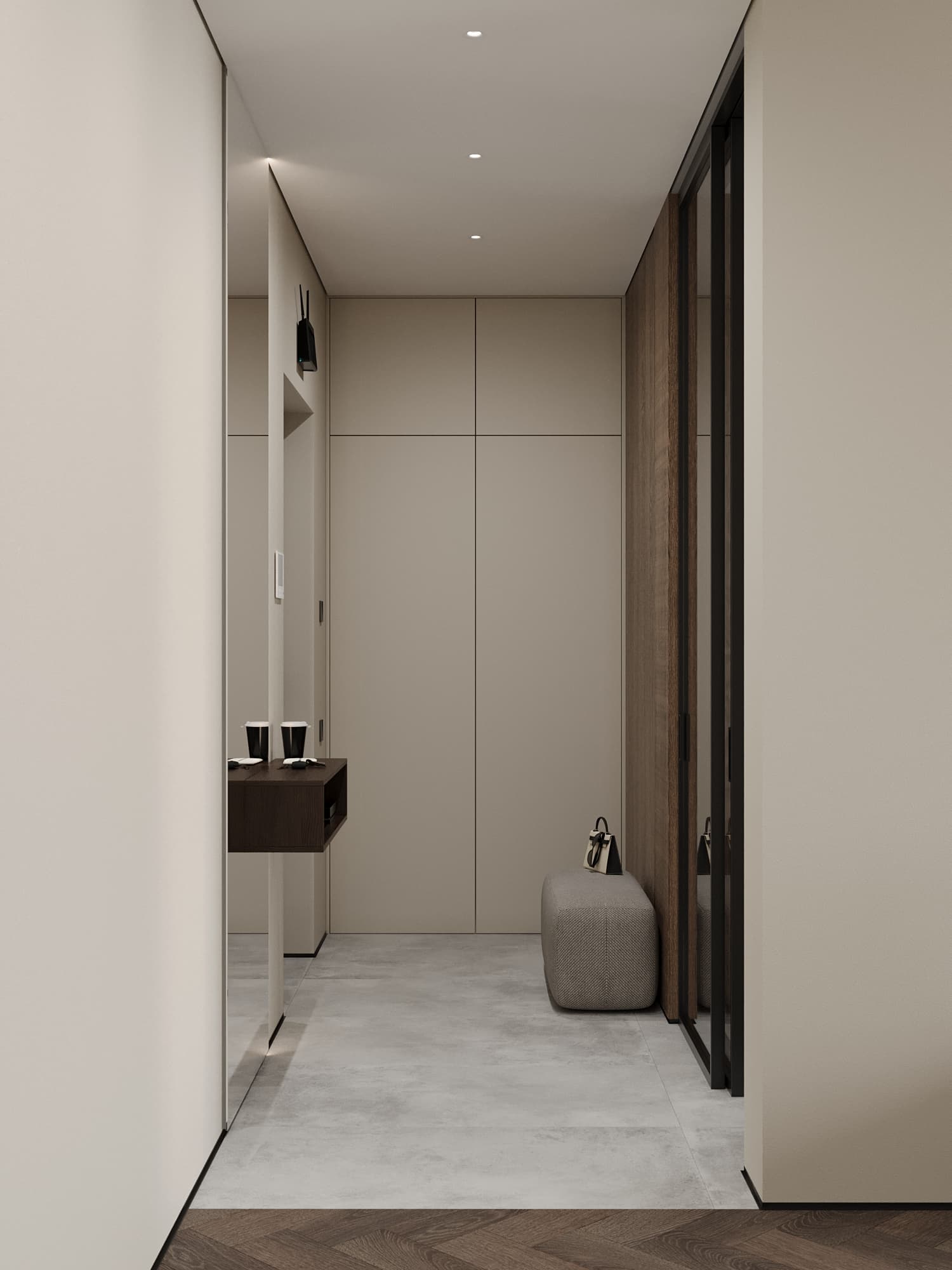
Coziness is impossible without order, but order does not mean sterility. It needs storage systems: every item has its place and daily things are at hand. Enough closed storage lets the eye rest, and a few open places show things beautifully.
Think of places to live. An armchair with a floor lamp and a side table for reading. A sofa on which it is comfortable to sit two or lie down. A dining table where you want to linger. A windowsill or a chair by the window. Cozy rooms always have nests: places you want to come to with a book or a cup of tea. Such places are designed: you need a spot, light, a socket, a surface for the cup, and this is decided at the layout and furniture planning stage.
Common mistakes
One cold overhead light instead of several warm sources. Bare windows and a floor without a rug. A kitchen and living room without textiles: sound reflects and the room feels empty. Too much decor, which loses the air. Too little personal, which makes the room look like a showroom. Betting on catalog furniture without tactile materials. Stale air and no real airing. Furniture lined along the walls with an empty center where nobody wants to sit.
Cozy room checklist
The room has at least three light sources, and in the evening you can leave the overhead light off. The light is warm, around 2700K, in one temperature. There is a dimmer on at least one source. There is a rug, throw, curtains or other soft textile. Natural materials dominate. There is a living plant or flowers. Personal objects are gathered into compositions. The air is fresh and smells are pleasant. Doors close softly and there is no extra noise. There is at least one nest for rest.
Summary
Notice that almost everything on the list is not about money but about attention. That is why coziness is a project, not a budget. It can be built into the layout, lighting, procurement and furniture arrangement. If you want coziness thought through in your apartment from the start, fill in the project brief or message us on WhatsApp.