June 14, 2026
Plants in the Interior: Living Decor That Survives Our Climate
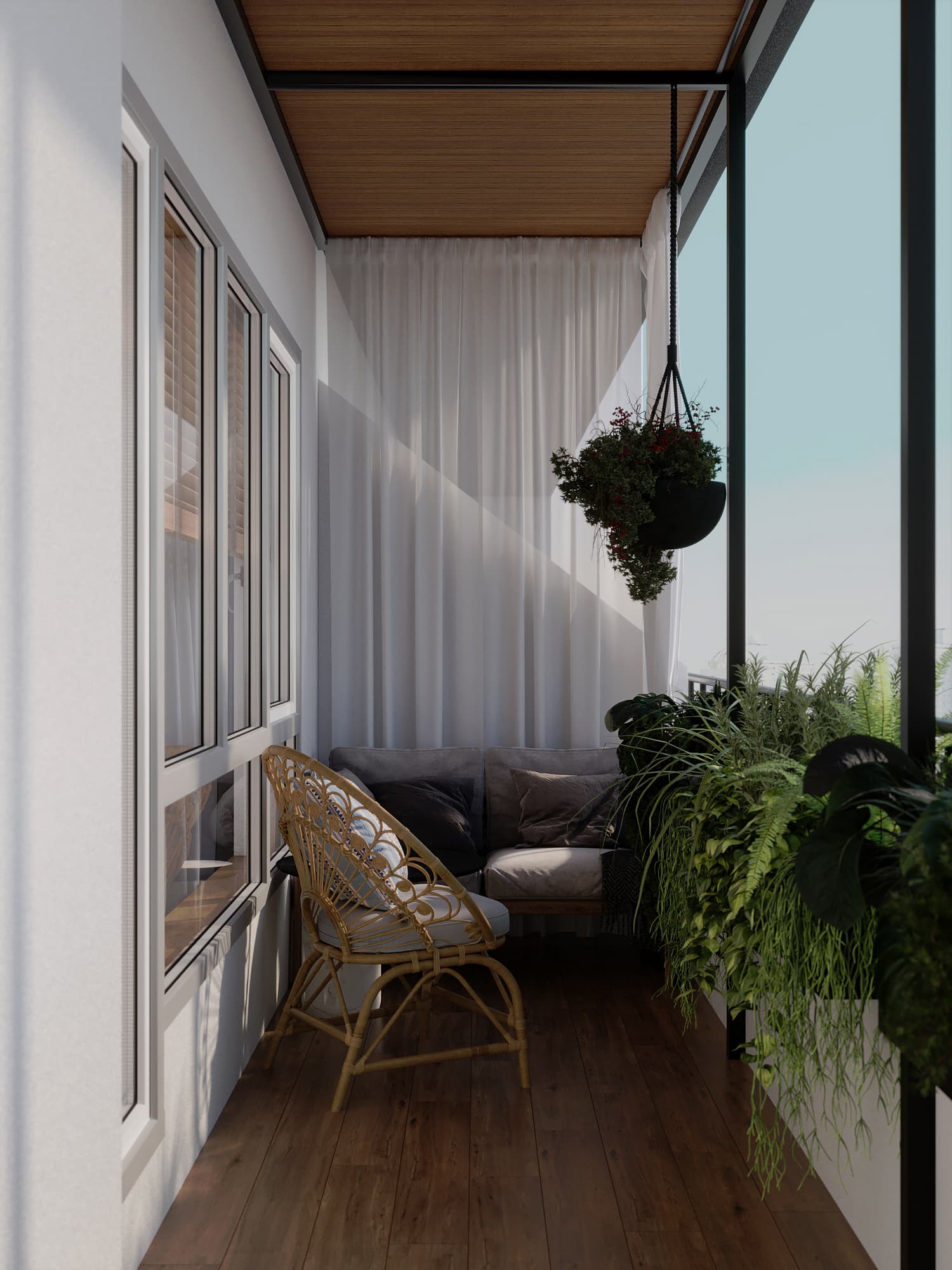
Plants are the only decor that lives: they add color, volume and the feeling of a lived-in home. One large plant in the right place works like a piece of furniture and brings even a very restrained interior to life. But our conditions are not easy: the heating season makes apartment air dry, and in winter rooms get noticeably less light.
Below we cover which plants really survive in a city apartment in Almaty or Astana, how to match them to light, how to water in winter, how to build compositions, and what to check if you have a cat, a dog or a small child at home.
Light first, plant second
Most plant problems start not with watering but with placement. First work out how much light the room has. A south or southwest window gives the most light: citrus, olives, cacti and succulents live here, while delicate plants may need light shading in summer. East and west windows are the most universal for most houseplants. A north window and the depth of a room are shade: only the hardiest species stay here.
A simple test: on a sunny day hold your hand half a meter from the wall. If the shadow is sharp and dense, there is a lot of light. If it is blurred and pale, there is little, and you must choose shade-tolerant plants or add a grow lamp. Remember that a plant that did well in summer may stretch in winter: days are shorter and the sun is lower. In a dark apartment choose species that forgive low light from the start.
What will survive: plants for dry air and busy people
The hardy league for dry air and busy people: sansevieria, zamioculcas, chlorophytum, epipremnum, crassula. They forgive a forgotten watering and dark corners, though they dislike being overwatered. Sansevieria and zamioculcas are especially easy to kill with too much water, so water them once the soil has dried through the whole pot.
Large soloists: fiddle-leaf ficus, strelitzia, monstera. One plant 1.5–2 meters tall works as furniture and often costs less than an armchair. Ficus dislikes moving and drafts: choose a spot and leave it there. Monstera needs a support and room on the sides.
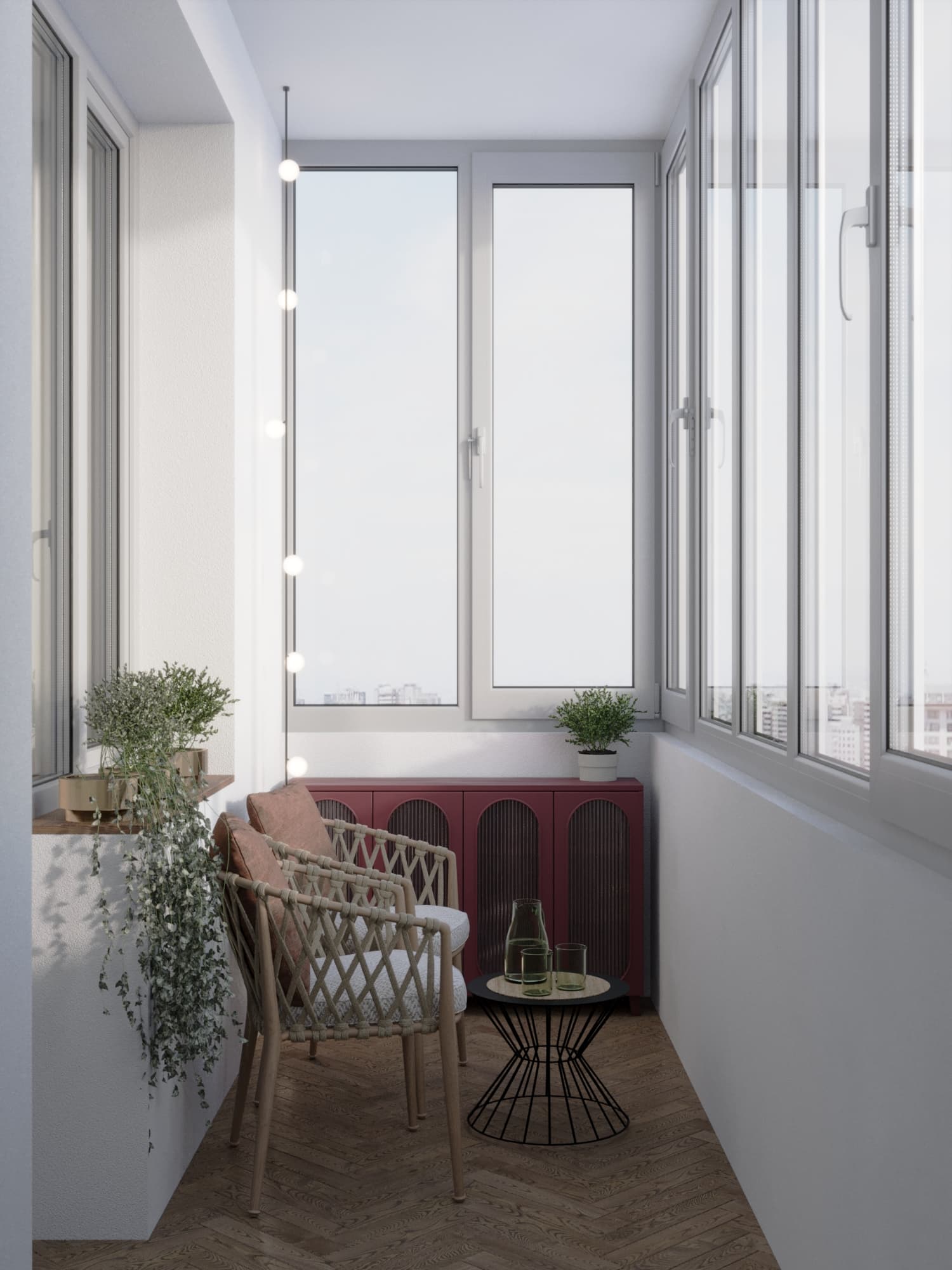
For the bold: olives and citrus by a south window. They need lots of light and a cool winter, so in a dry warm apartment they are easier to keep by a glazed loggia. Honest advice: five confident plants look better than twenty withering ones. Start with hardy species, and when you see how plants react to your watering and your light, add the fussy ones.
Watering and the heating season
The main beginner mistake is watering on a schedule. A plant needs water according to the condition of the soil, not the calendar. A reliable way is to push a finger about a centimeter or more into the soil and check if it is dry. Large pots dry slower and need checking deeper. Use settled room-temperature water and always empty the saucer after about fifteen minutes.
In winter plants slow down and use less water: you need fewer waterings than in summer, and cacti and succulents may need water only about once a month. Pots near radiators may dry faster because of dry air and heat. So go by the soil, not the season.
To soften dry air, stand pots on trays with expanded clay and water so the bottom of the pot does not touch the water, and do not place plants directly above radiators. Tropical species such as orchids need higher humidity, so they are harder in a dry apartment. Wipe smooth leaves of dust every couple of weeks so the plant gets more light.
Plants and pets
If you have a cat, a dog or a small child, check a plant's safety before buying. According to pet-owner reference lists, monstera, epipremnum and zamioculcas are considered toxic to cats and dogs: the sap irritates the mouth and may cause vomiting. Sansevieria is also listed among plants pets should not chew. Chlorophytum is considered safe for cats and dogs, though cats like to chew it and the leaves may suffer.
The ASPCA, for example, keeps a list of toxic and safe plants, and it is worth checking the exact species against it or asking a vet before buying. If a pet chews plants, put them on high stands or in a room it does not enter, and choose safe species. That is better than giving up greenery altogether.
Planters and stands
Planters are furniture: a unified palette (natural-tone ceramics, brass, concrete, weaving) gathers mixed greenery into a collection. If the plants differ, let the planters be one family: color, material, proportions. Then the interior looks considered, not accidental.
The practice: the plant lives in a plastic pot with drainage holes, and a decorative planter goes over it. It is easier to water, repot and change the planter when the interior changes. Take a planter 2–3 cm wider than the pot. Leave room inside the planter for water to drain or lift the pot out for watering, otherwise the roots end up in water.
For large floor plants use stands on wheels: heavy pots are easier to move and the floor easier to clean. On wood and parquet floors put trays and protective pads under pots: water and condensation damage the finish. If you plan a lot of greenery by a window, think in advance where window shelves and hanging planters will go.
Compositions: how to build a plant group
The rule of three heights in a group: a large floor plant, a medium one on a stand or table, and a trailing one hanging from a shelf or hook. A group of three with different heights and leaf shapes looks livelier than three identical pots in a row. Combine contrasting forms: the large leaves of monstera with the narrow leaves of sansevieria, a dense crown with an airy one.
An odd number of plants in a group reads more naturally: three or five. One large plant in an empty living room corner is a move that looks more expensive than it costs. A plant beside a sofa softens a sharp corner, by a window it frames the view, in a hallway it accents the entrance. Do not block passages and sockets, and leave room to carry the plant out for watering.
For small apartments vertical solutions are handy: shelves, hanging planters, plants on tall stands. They bring greenery without losing floor area. And in rooms without windows use good artificial compositions or preserved plants: a living plant will not survive there without a grow lamp anyway.
Common mistakes
Overwatering is the number one killer. Water by soil condition and always with drainage. A plant in the wrong window: a sun-lover in a corner, a shade-tolerant one on a south sill. Many small plants without a system: a collection of twenty pots of different shapes looks like chaos. Plants above a radiator or in a draft. A heavy large plant in a thin plastic pot without a stand that tips and damages the floor. Buying a plant without checking for pests: keep a new plant apart for a couple of weeks.
One more common mistake: plants are treated as a final touch when the renovation is over. It is better to plan green zones in advance: where the light is, where a heavy large plant can stand, where a socket for a grow lamp or lighting is needed. Then plants become part of the interior, not a search for a place among finished furniture.
Checklist before buying a plant
You know which window and which part of the room it will go to. You checked that the species suits the light and dry air. You found out if it is safe for pets and children. You chose a pot with drainage and a planter in the common palette. You prepared a stand or tray. You thought about watering: is there room to carry the pot out. The new plant goes into quarantine for a couple of weeks. For a large plant you chose a permanent place in advance, away from drafts and not in the way.
Summary
Plants bring an interior to life but need an honest approach: light, drainage, hardy species and a unified palette of planters. Start with a few reliable plants and one large plant in the right place. Planters and large plants can be included in the online shopping list of a design project alongside furniture. Fill in the project brief or message us on WhatsApp, and we will suggest where greenery will work best in your apartment.