April 13, 2026
Ethnic Style in a Modern Interior: Kazakh Motifs Without a Yurt in the Living Room
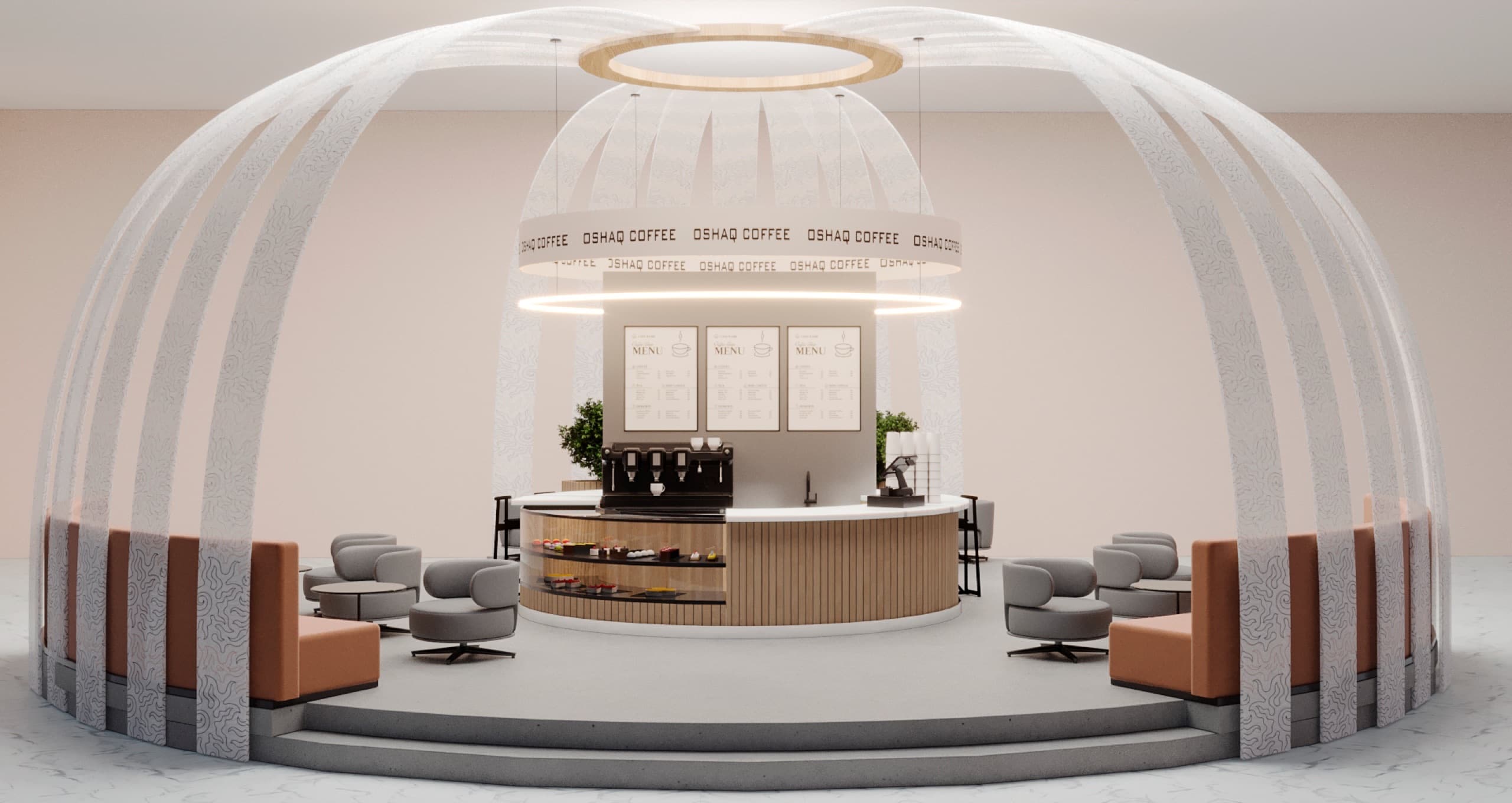
More and more people want their home to speak of the place where they live rather than look like a catalogue from anywhere in the world. In Kazakhstan this means Kazakh motifs: the shanyrak, felt, ornament, steppe colours. But the line is thin. One step too far and instead of a modern interior you get a souvenir shop or an ethnographic museum.
We worked with this theme in Oshak Coffee, a 20 m² café in Astana. Its key image is a dome referencing the shanyrak, with national motifs given a contemporary reading: ethnic without kitsch. This article explains how to bring the same approach into an apartment: what to take from tradition, in what dose, and which mistakes to avoid.
Why ethnic design is relevant again
Mass-market interiors have become identical: grey sofa, white walls, the same marketplace lamps. Against that background an object with a story stands out at once. Local motifs make a home recognisable and personal, and craft pieces also support the makers who keep the tradition alive.
In Kazakhstan the theme has a deep symbolic layer. The shanyrak, the crown of the yurt, sits at the centre of the national emblem and stands for a shared home. So the image of a dome, a circle and radiating beams reads instantly, even with no pattern in the room. This is the basis of the most delicate way to work with ethnic style.
Three levels of ethnic design: from a whisper to a shout
Level one is form. A dome, an arch, a circle, a radial ceiling pattern, soft rounded silhouettes. It is the subtlest way: the yurt reads without a single literal object. In Oshak Coffee the dome sets the character of the whole room. In an apartment it might be a round lit niche, a ceiling element echoing the rhythm of the roof poles, or an arched opening.
Level two is material and craft. Felt, wool, leather, wood, handmade ceramics, weaving. Objects made by hand carry culture without slogans. A felt panel, a felt rug by the bed, a wooden bowl or a woven throw give a sense of place even in strict minimalism.
Level three is ornament: the strongest and the riskiest. It works in doses: one wall, one rug, textiles, a furniture detail. If ornament appears on wallpaper, curtains, cushions, dishes and kitchen fronts all at once, the home becomes a museum. The brighter and larger the pattern, the less of it you need.
Felt, tekemet and syrmak: what to choose
Kazakh felt rugs are made in different techniques, which affects how they look in a room. A tekemet has its pattern felted into the base from dyed wool. The outlines are soft and slightly blurred, so it fits easily into a calm modern setting. Its traditional motif is the ram's horn, qoshqar muiz.
A syrmak is made differently: two layers of felt in different colours are stacked, the ornament is cut through both at once, the cut pieces are swapped and sewn together. The result is a crisp graphic pattern with contrasting outlines. A syrmak takes more skill and is more expressive: it is a ready accent to build the room around.
How to choose: for a background, take a tekemet or plain felt in natural colours. For a main accent, hang a syrmak on the wall or lay it where there is little furniture so the pattern shows. Buy from makers and trusted craft workshops: real wool felt differs from factory imitation by touch and smell.
The steppe palette
Colour alone can speak of a place without any ornament. Terracotta, ochre, sand, unbleached white, camel, smoky grey, deep blue like the sky over the steppe, muted red as in old rugs. These shades are natural, so they pair well with wood and stone and never tire the eye.
Our working formula: about 70% calm modern base (walls, floor, large furniture), about 20% natural local palette (textiles, one feature wall, upholstery), about 10% craft accents. That way the interior speaks of place calmly rather than shouting. The proportions are not strict, but if accents exceed a third of the room, it is time to stop.
Ethnic touches room by room
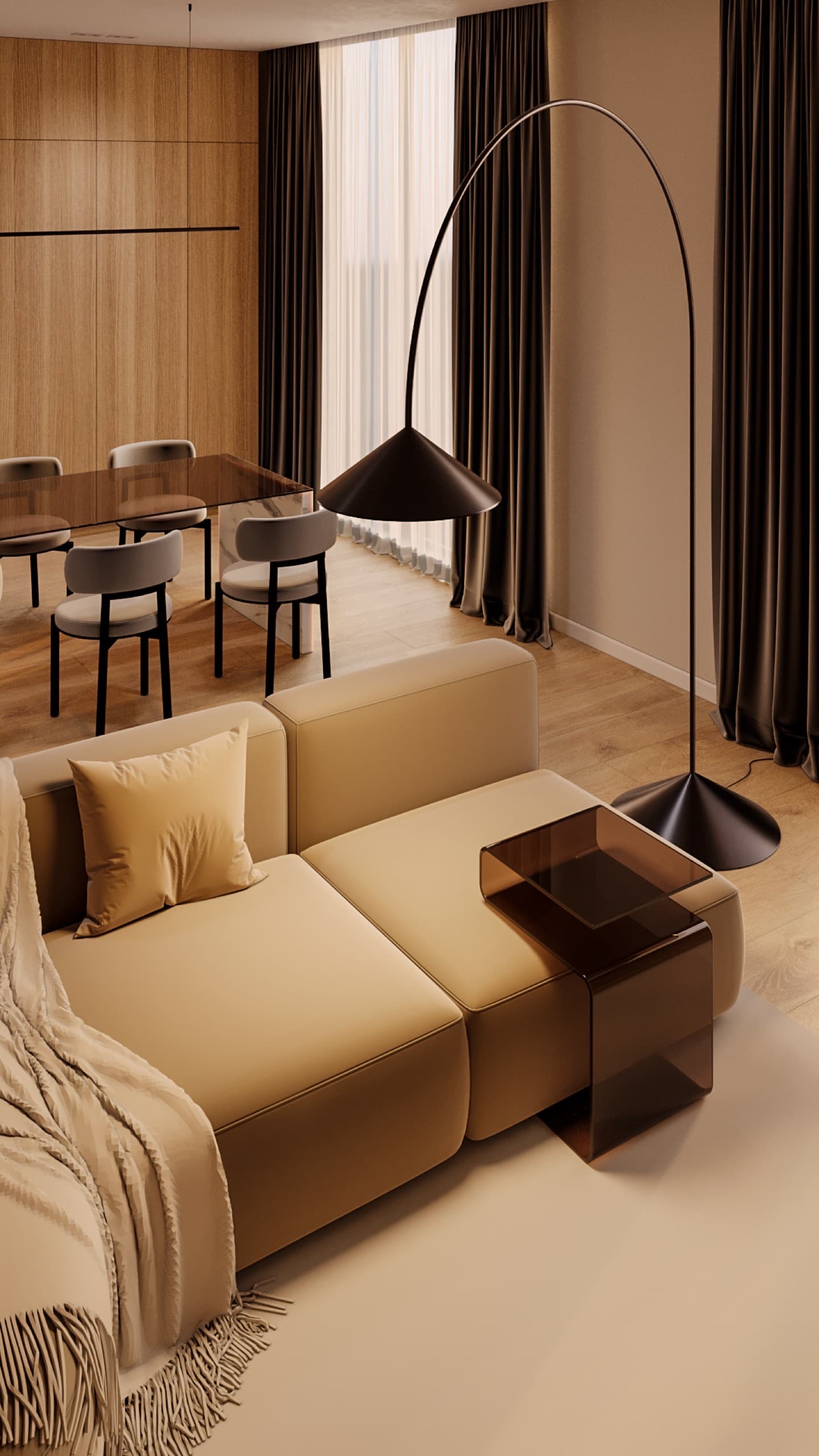
The living room is the main place for an accent: a felt panel or syrmak above the sofa, a leather pouf, a solid wood table, ceramics on shelves. One large patterned piece is enough; the rest is texture and colour.
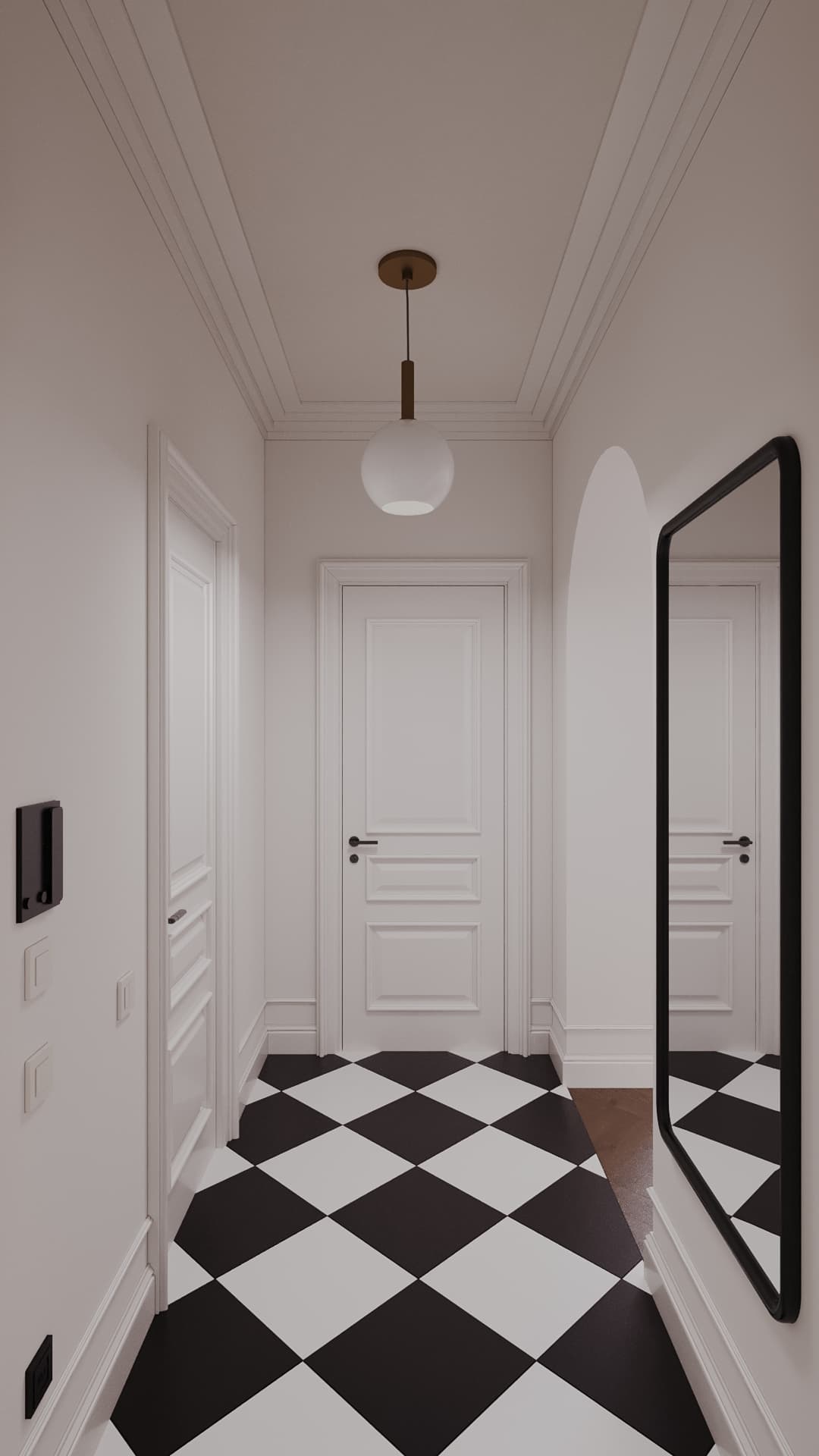
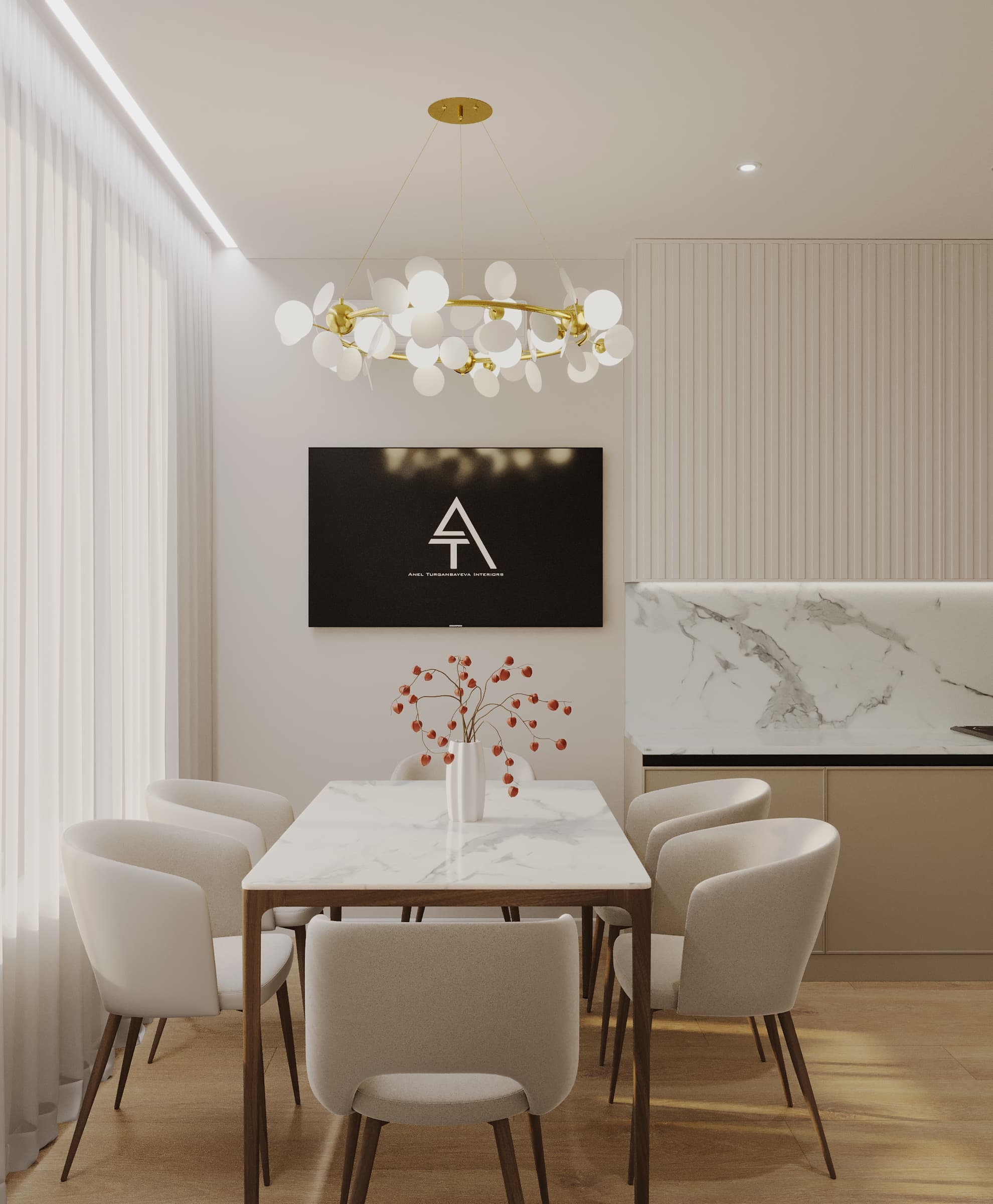
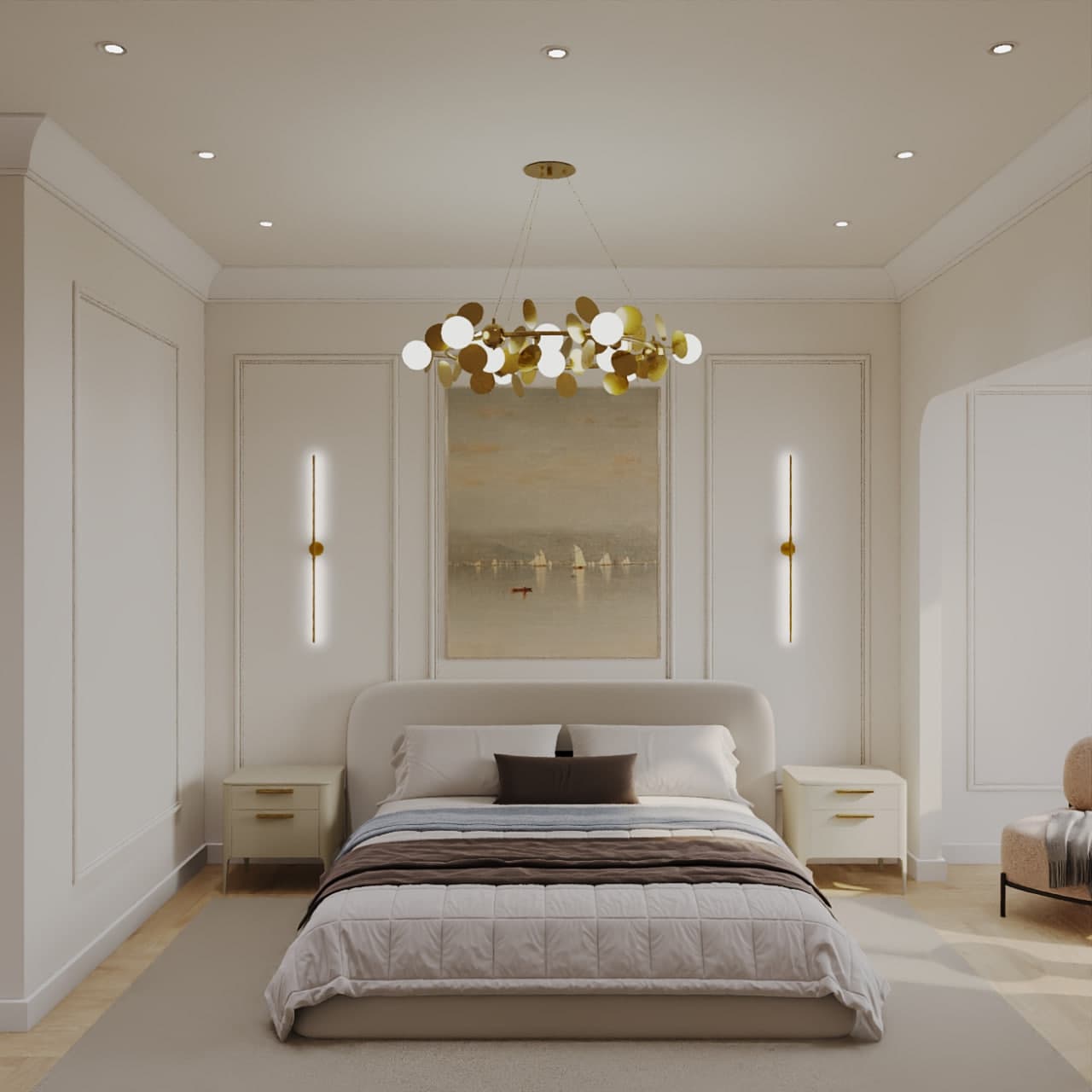
The hallway suits symbols of home and hospitality: a wooden bench, a natural wood coat rack, a small patterned rug. Kitchen and dining: handmade dishes, wooden boards, linen; a large family dastarkhan table is part of the tradition too. Bedroom: soft wool and felt, a woven bedspread, minimal pattern, because here ethnic style should calm. In a child's room felt toys and rugs work well: the material is warm and pleasant.
Which styles ethnic design pairs with
It works best with minimalism and contemporary style: a calm background lets craft objects breathe. It also suits mid-century: warm wood and simple forms are close in spirit to traditional furniture. Neoclassical is harder: mouldings and ornament compete, so there keep ethnic notes to textiles and colour.
Avoid mixing several ethnic traditions in one room: a Kazakh syrmak, Moroccan lamps and Indian cushions together feel like a bazaar, not a considered home. If you want depth, develop one cultural line.
Typical mistakes
Literalism: a miniature yurt, souvenir dombras on the wall, faux-ornament prints on every surface. Cheap imitations: ornament printed on plastic or vinyl wallpaper gives itself away. Too much red and gold: in large amounts they make a room heavy and festive. Ethnic pieces without function: a rug with nowhere to go, a panel hidden behind furniture.
Another common mistake is trying to achieve ethnic style through finishes alone. Ornament on a wall with bland furniture looks like stage scenery. Far stronger is the combination of calm finishes and a few genuine craft objects.
How to build ethnic style into a project
Decide early which level is closest to you: form, material or ornament. If it is form, such as a dome, arch or niche, it must go into the drawings at the layout stage; later it becomes a rebuild. If it is craft objects, leave room for them: a wall without furniture for a panel, a lit niche for ceramics, open floor for a rug.
Lighting matters just as much: warm colour temperature and directed light bring out the texture of felt and wood. In the project questionnaire, mark your interest in ethnic style and send examples of pieces you own or plan to buy, and we will tune the intensity to you.
Summary
Ethnic style in a modern interior is an accent, not a costume. Start with form and palette, add one or two genuine craft pieces and do not repeat ornament on every surface. Then the interior will speak of place calmly and with dignity. Want a project like this? Fill in the brief on our site or message us on WhatsApp, and the "Style guide" will help you see what ethnic style pairs with.